ENCODER BYHX
₹1000
/ Pcs.
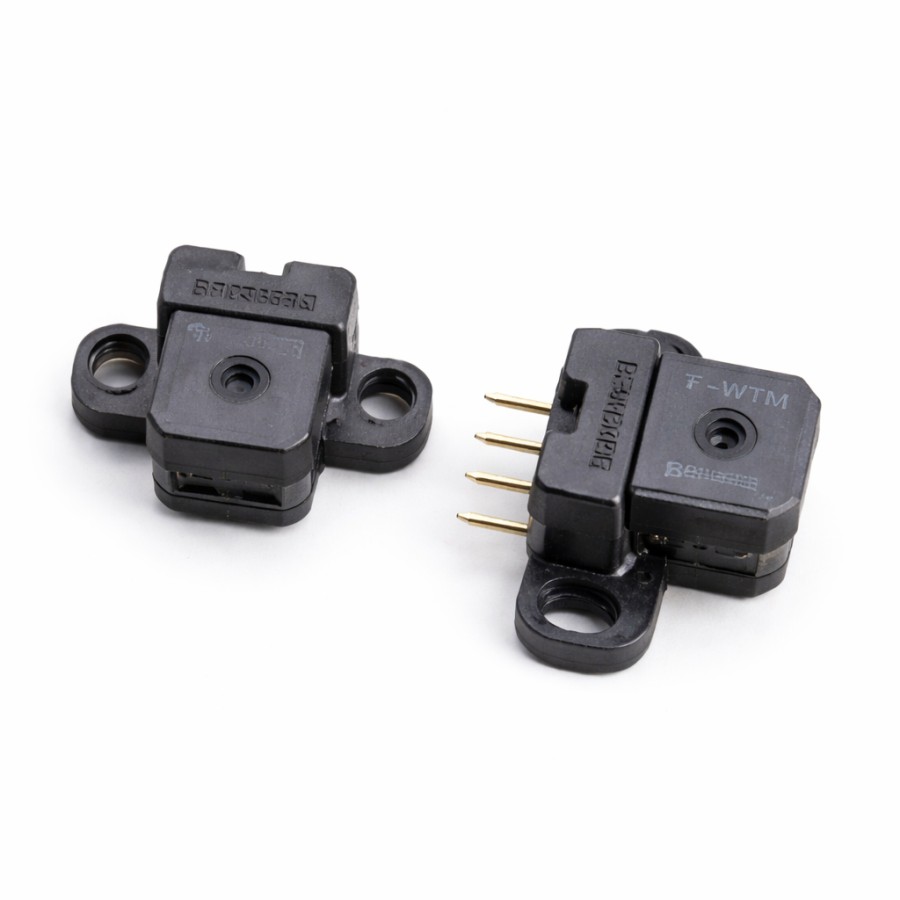
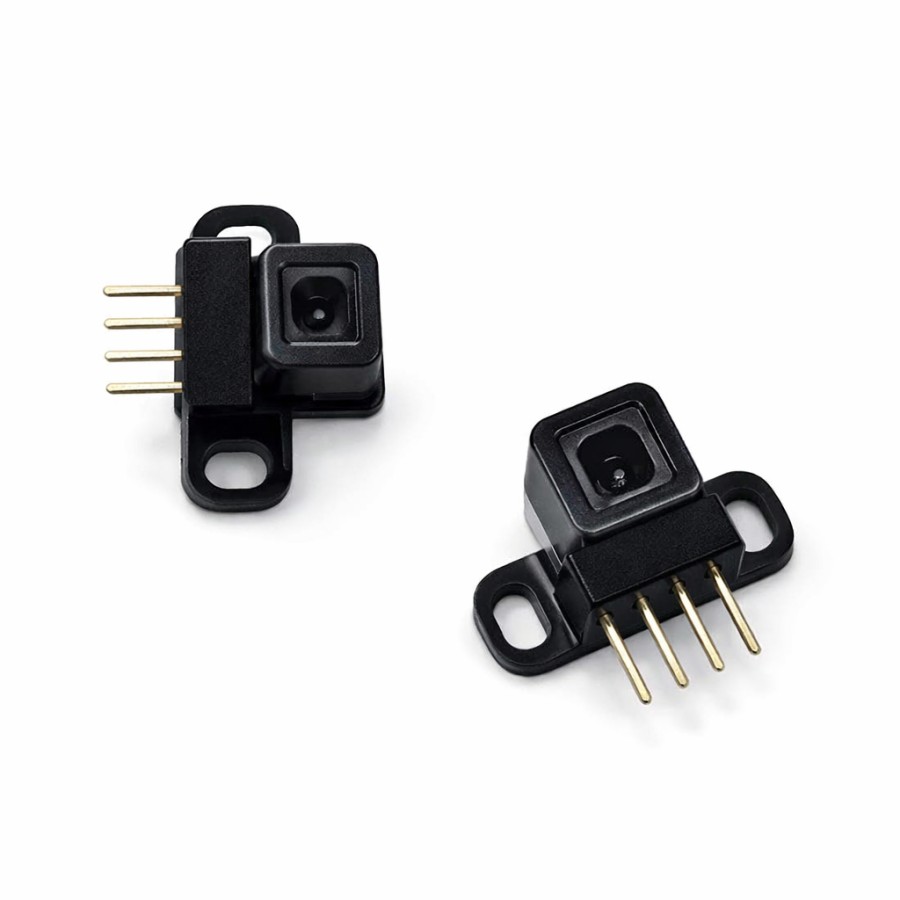
Ultra-High 300 LPI Resolution Grid: Optimized to scan fine-pitch 300 Lines Per Inch (LPI) encoder scales with extreme clarity, enabling razor-sharp dot accuracy even during high-velocity carriage runs.
Sealed Optical Anti-Contaminant Housing: Built with a rugged polymer casing designed to isolate the sensitive internal photo-interrupter lens from micro-fine ink vapors and ambient workshop dust.
Flawless High-Definition Firing: Provides the ultra-fast frequency data processing required to synchronize multi-head arrays (such as Epson i3200, XP600, or Konica arrays), ensuring crisp color overlays on dark or light media.
Ultra-High 300 LPI Resolution Grid: Optimized to scan fine-pitch 300 Lines Per Inch (LPI) encoder scales with extreme clarity, enabling razor-sharp dot accuracy even during high-velocity carriage runs.
Sealed Optical Anti-Contaminant Housing: Built with a rugged polymer casing designed to isolate the sensitive internal photo-interrupter lens from micro-fine ink vapors and ambient workshop dust.
Flawless High-Definition Firing: Provides the ultra-fast frequency data processing required to synchronize multi-head arrays (such as Epson i3200, XP600, or Konica arrays), ensuring crisp color overlays on dark or light media.
| Parameter | Specification |
| Part Name | 300 LPI Wide-Format Printer Raster Decoder Sensor |
| Condition | 100% Brand New Factory-Original |
| Grid Compatibility | Strict 300 LPI (Lines Per Inch) Encoder Strips |
| Output Signal Type | High-Accuracy Digital HTL / TTL Quadrature Data |
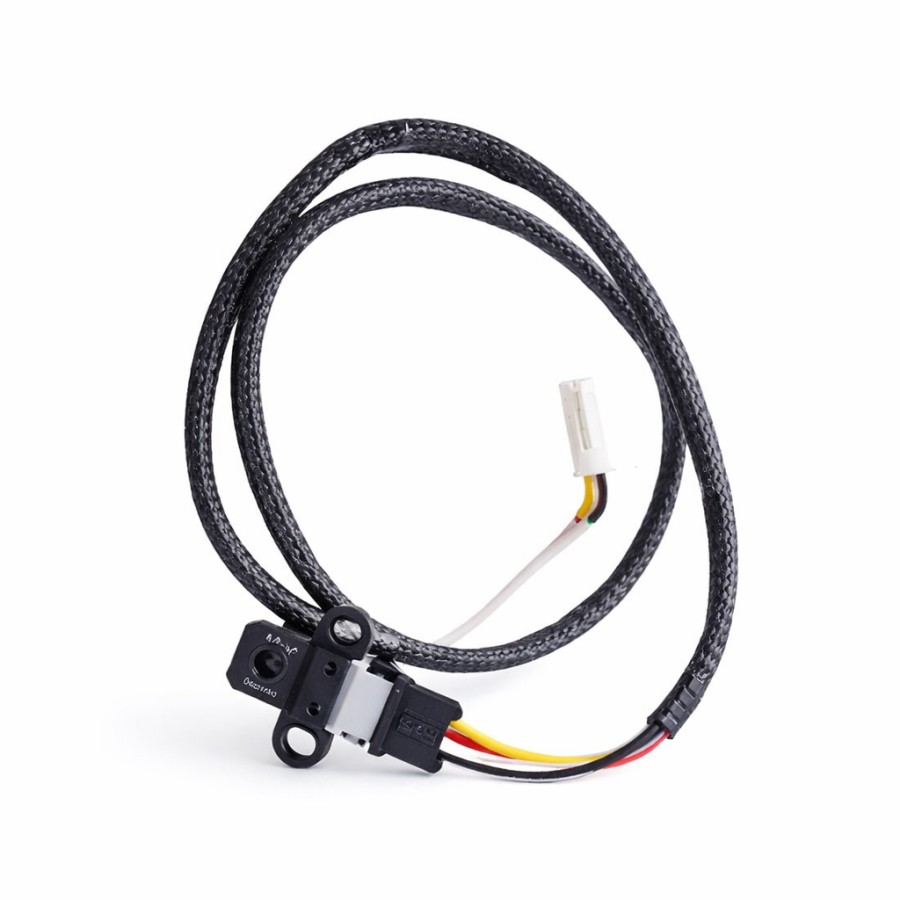
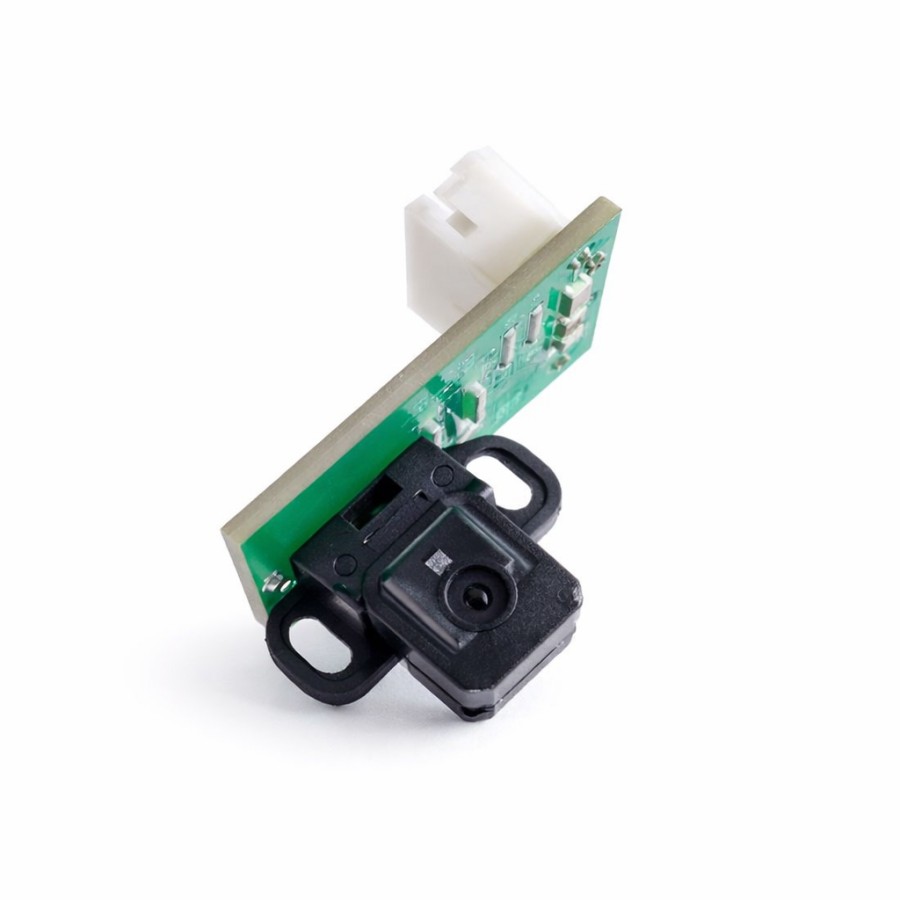
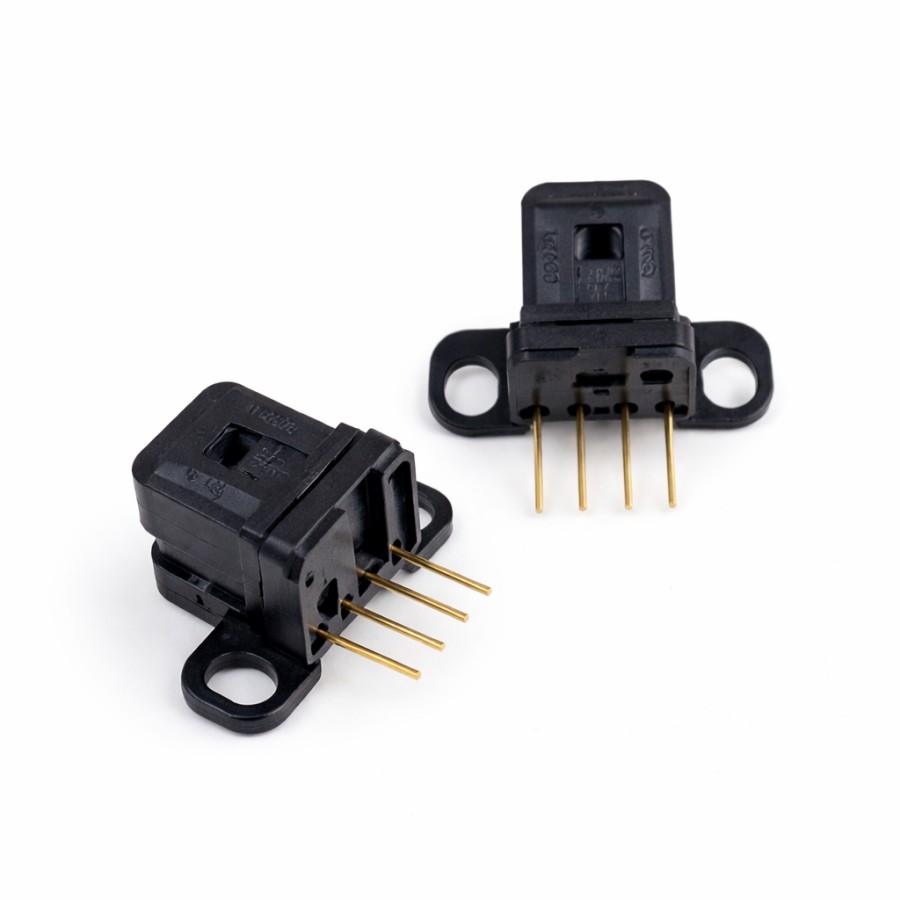
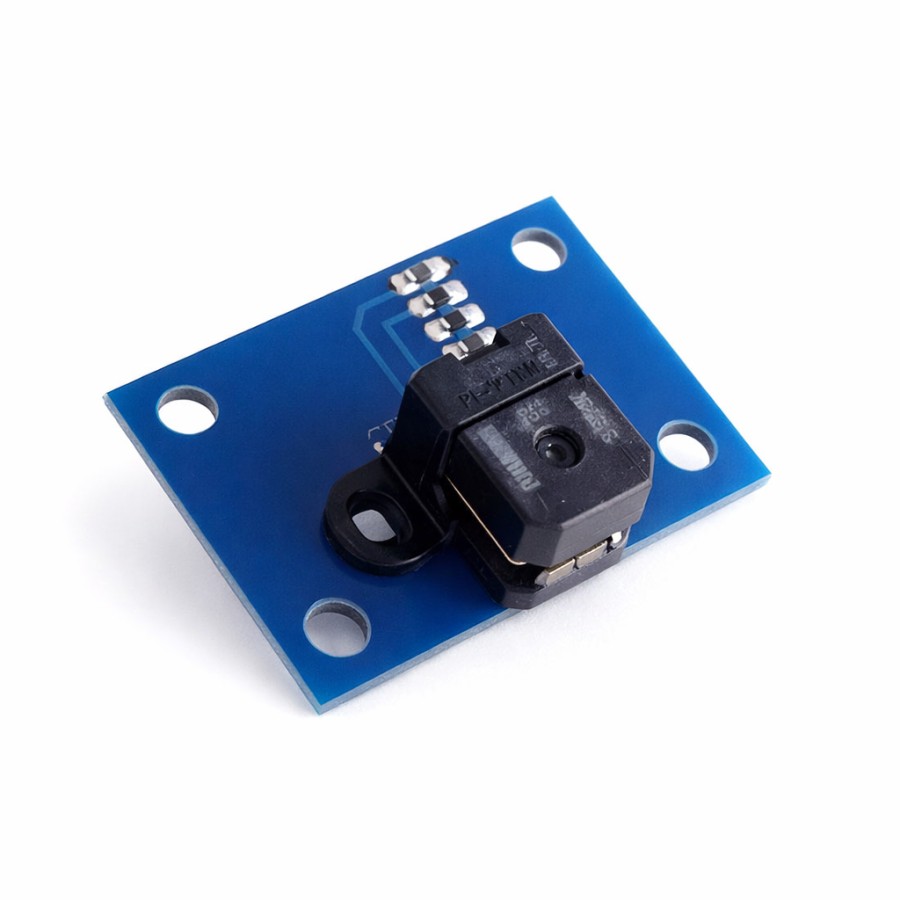
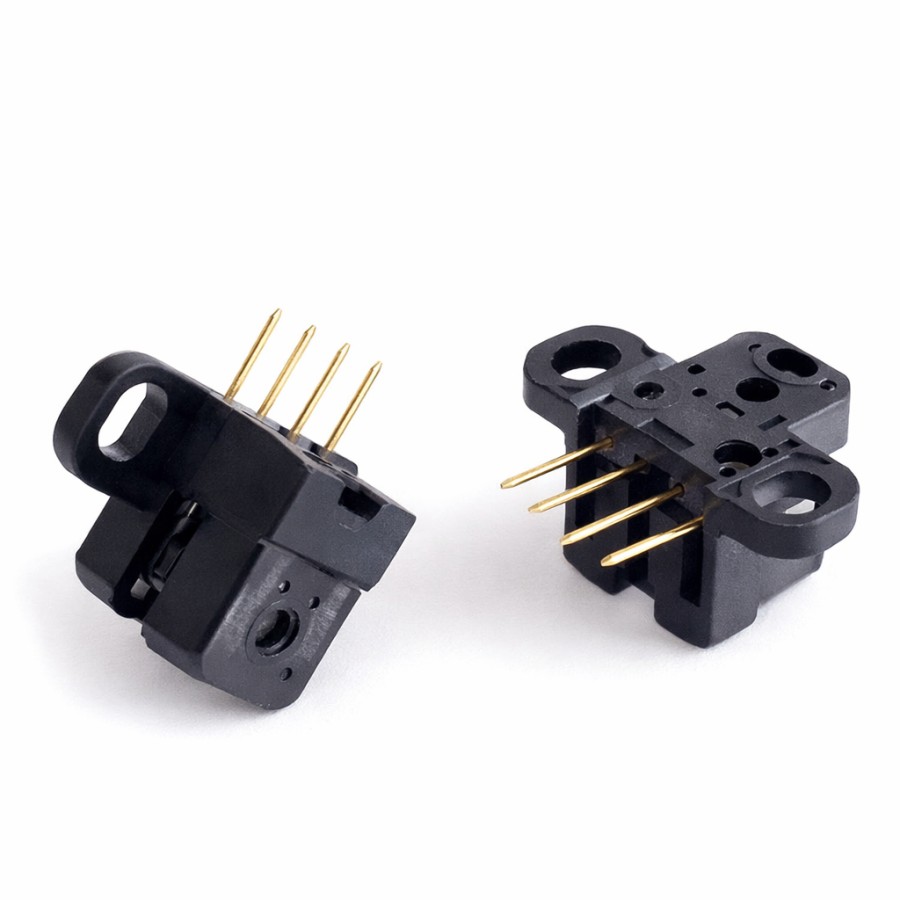
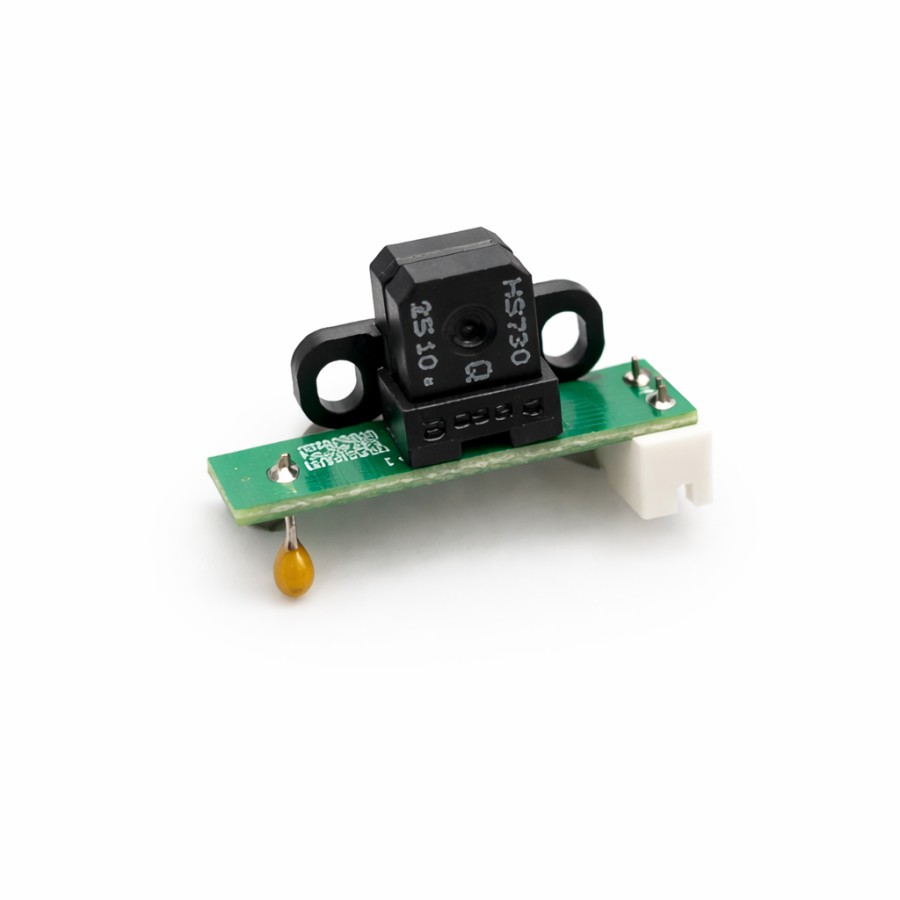
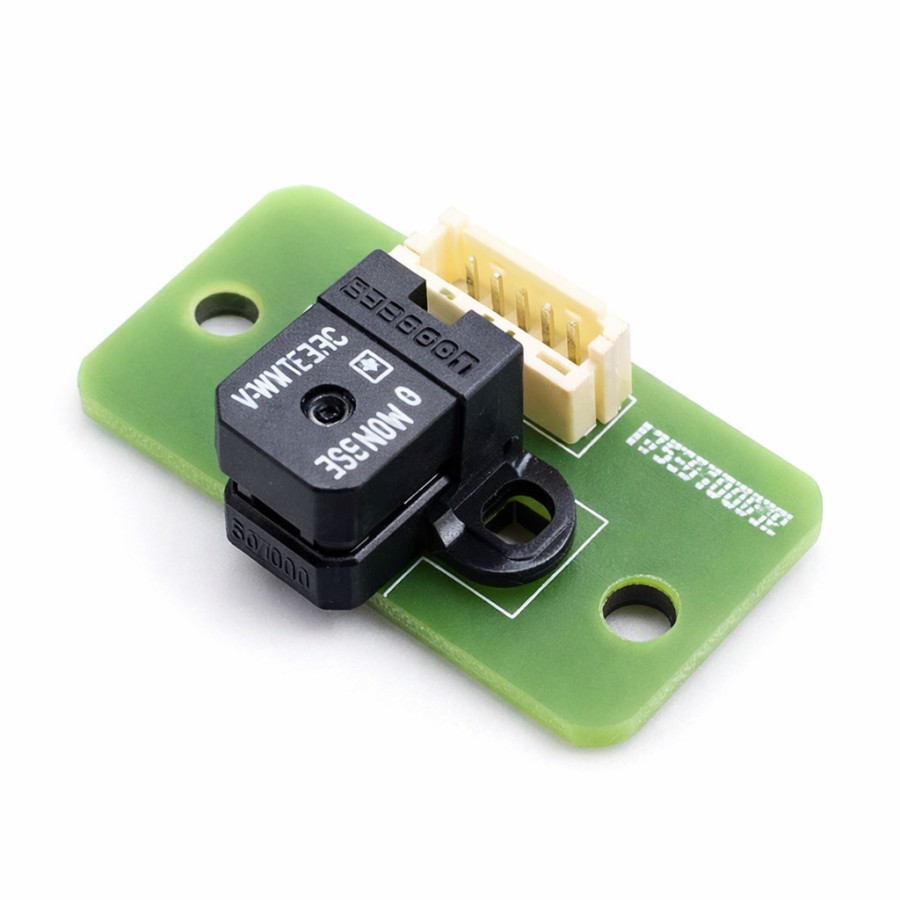
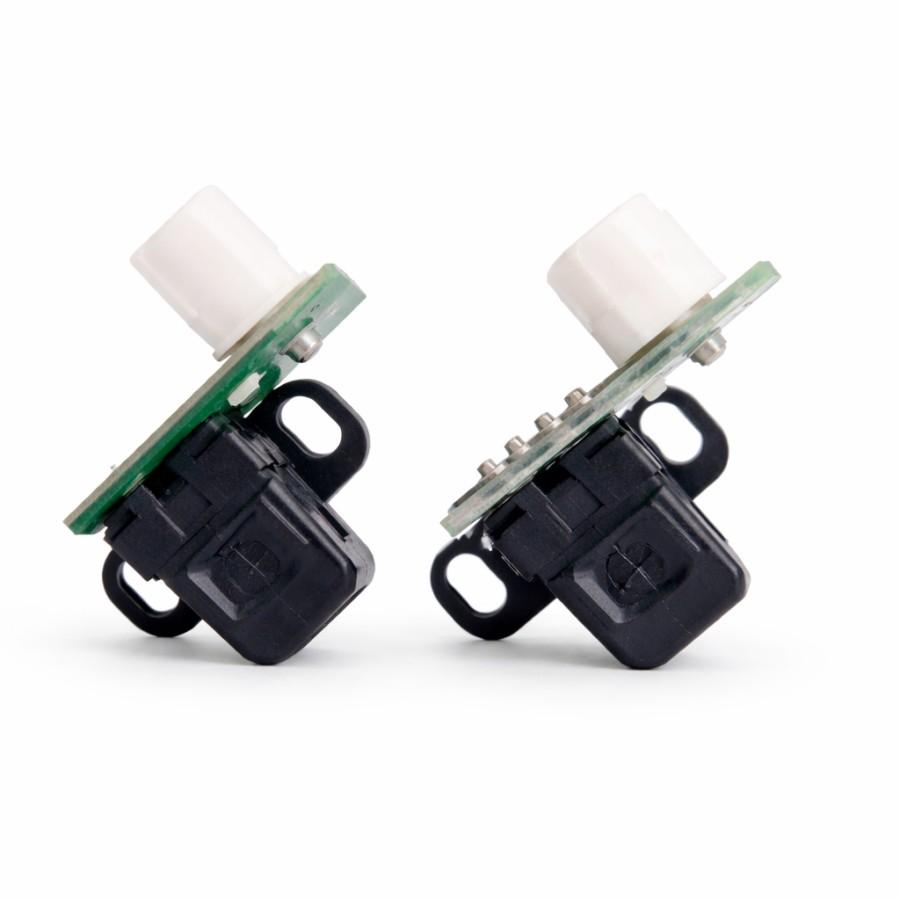
Achieve breathtaking graphic sharpness, perfect text legibility, and flawless dot placement alignment with our premium 300 LPI Encoder Sensor. Precision-engineered as a mission-critical positioning module for industrial wide-format printing systems, this commercial-grade optical reader acts as the "eyes" of your printer's carriage axis. It glides continuously along a 300 LPI raster encoder strip, scanning 300 fine lines per inch to feed real-time coordinates back to the mainboard down to microscopic intervals.