20PIN BOTH SIDE
₹250
/ Pcs.
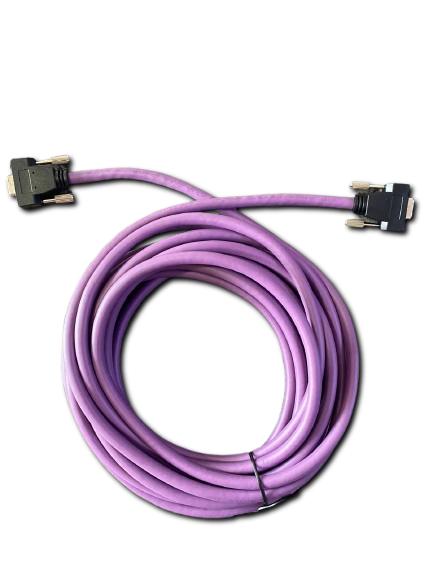
Transmitting data across a 4-meter distance exposes signals to massive electromagnetic interference (EMI) from heavy gantry servo motors. Because this cable utilizes Low-Voltage Differential Signaling, any incoming electrical noise is naturally cancelled out.
Standard cables quickly crack, peel, or break internally under the relentless, non-stop whipping motion of a high-speed printing carriage. Our LVDS cables are manufactured with premium, high-strand annealed copper pairs wrapped in a low-friction, high-flex industrial jacket to easily survive millions of continuous cycles inside the gantry track.
Transmitting data across a 4-meter distance exposes signals to massive electromagnetic interference (EMI) from heavy gantry servo motors. Because this cable utilizes Low-Voltage Differential Signaling, any incoming electrical noise is naturally cancelled out.
Standard cables quickly crack, peel, or break internally under the relentless, non-stop whipping motion of a high-speed printing carriage. Our LVDS cables are manufactured with premium, high-strand annealed copper pairs wrapped in a low-friction, high-flex industrial jacket to easily survive millions of continuous cycles inside the gantry track.
| Technical Parameter | Specification Details |
| Product Name | Industrial LVDS Cable / Low-Voltage Differential Signaling Harness |
| Cable Length | 4.0 Meters (4Mtr / Approximately 13.1 Feet) |
| Signaling Architecture | High-Speed Twisted-Pair Differential Data Transfer |
| Conductor Material | High-Purity Oxygen-Free Tinned Copper Strands |
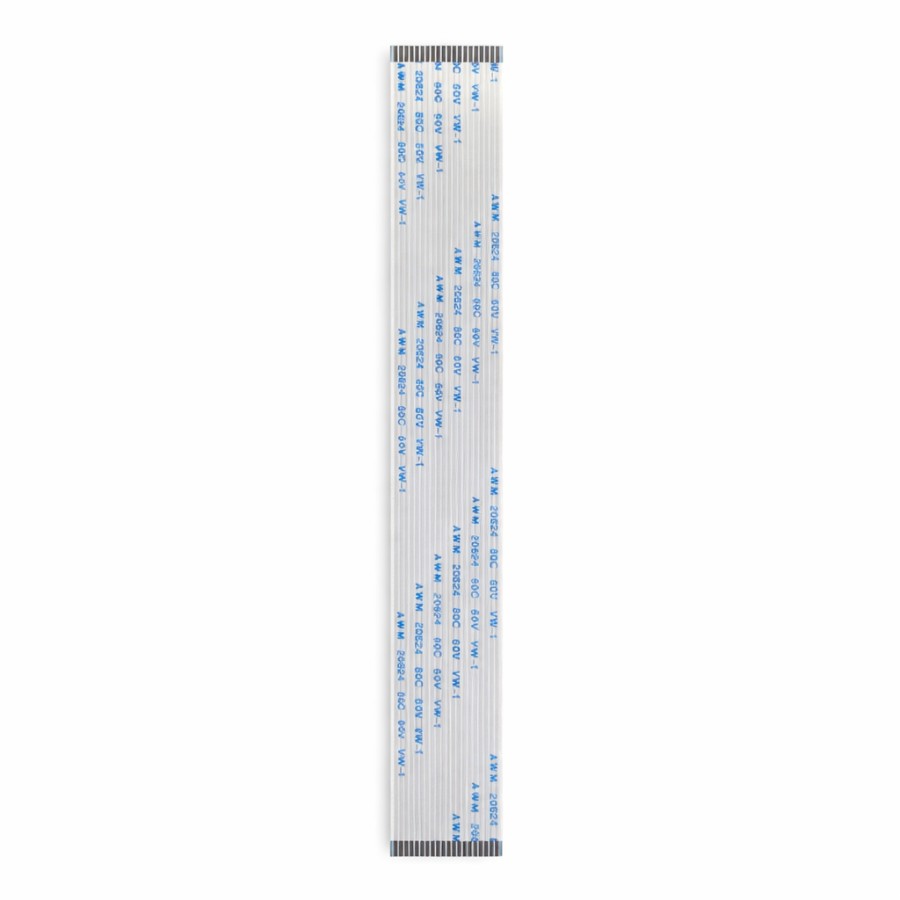
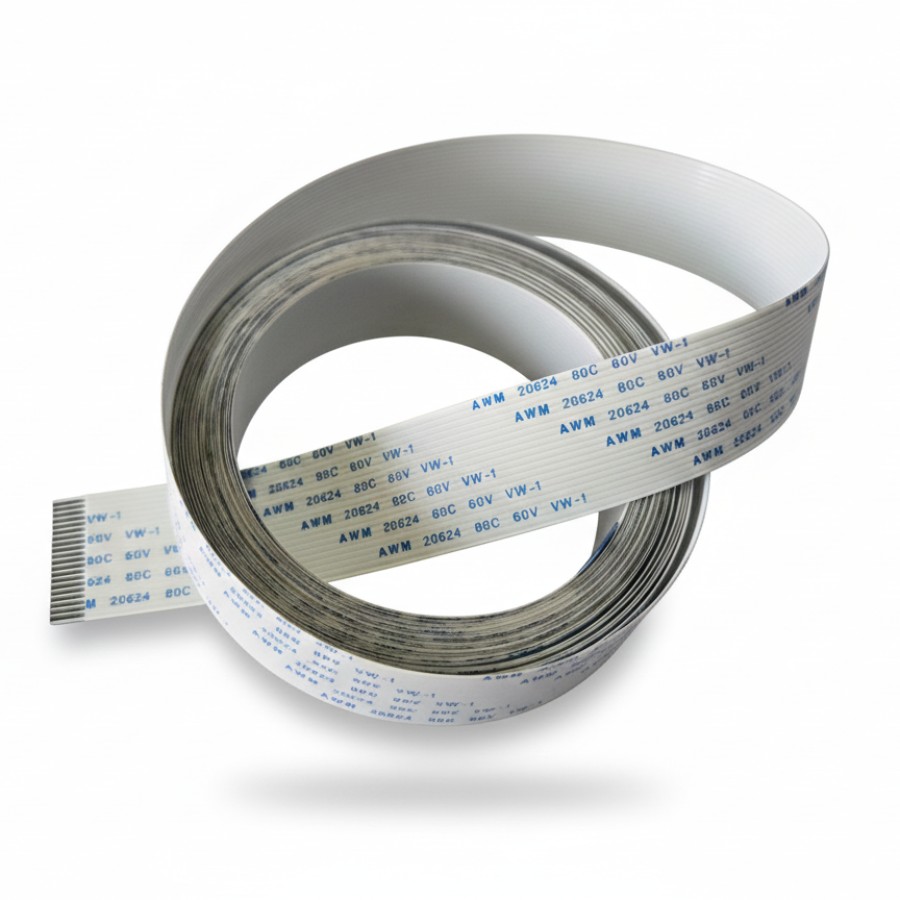
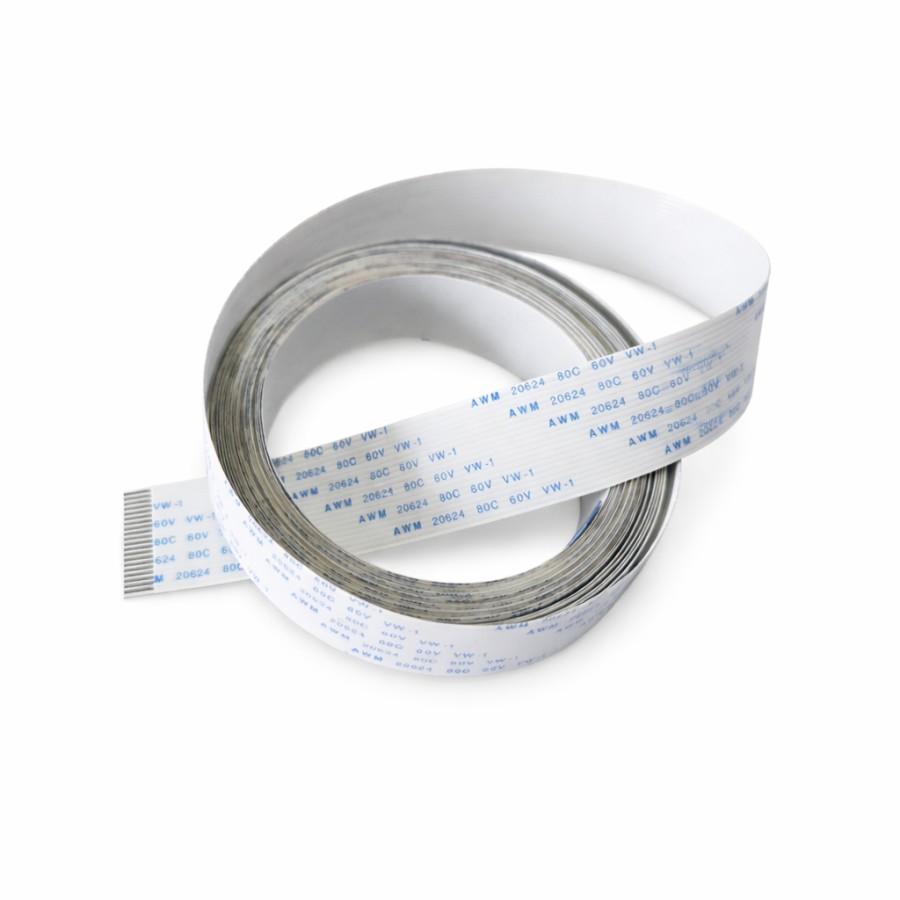
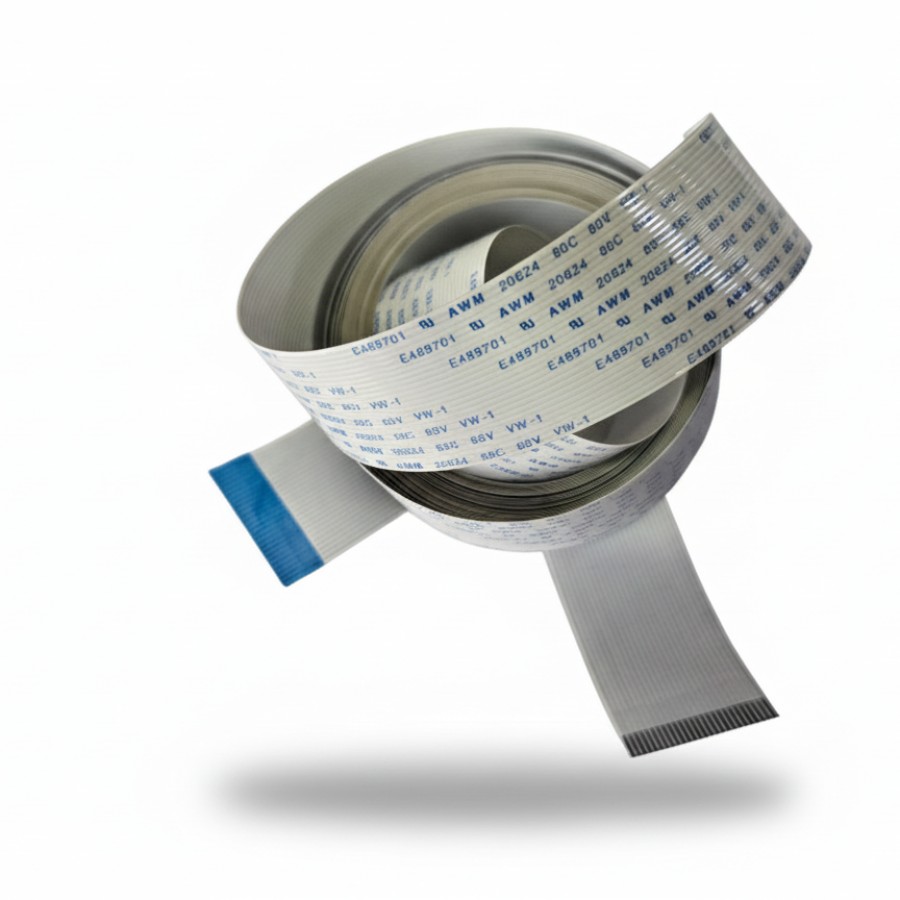
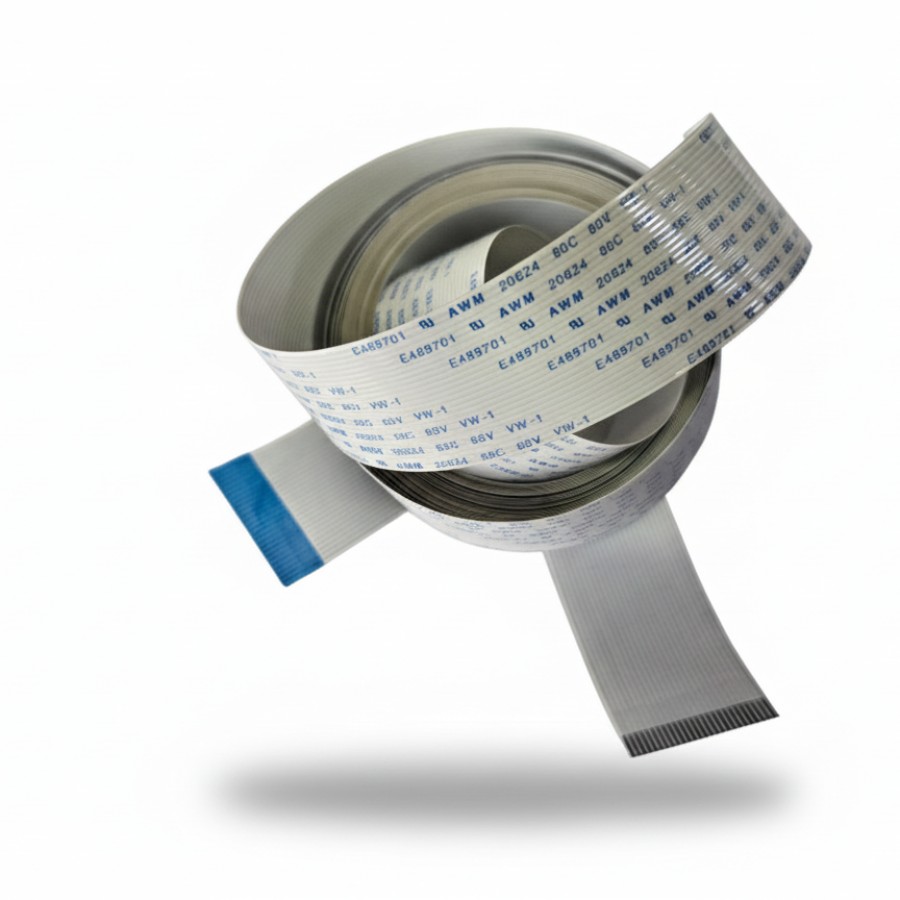
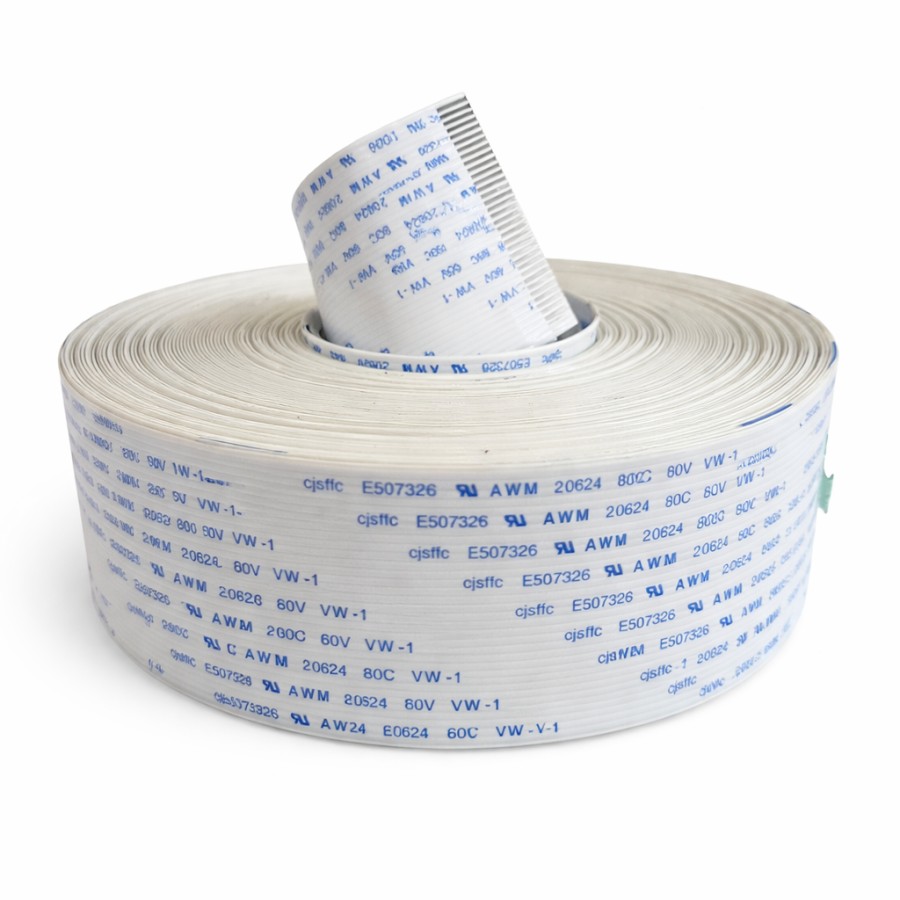
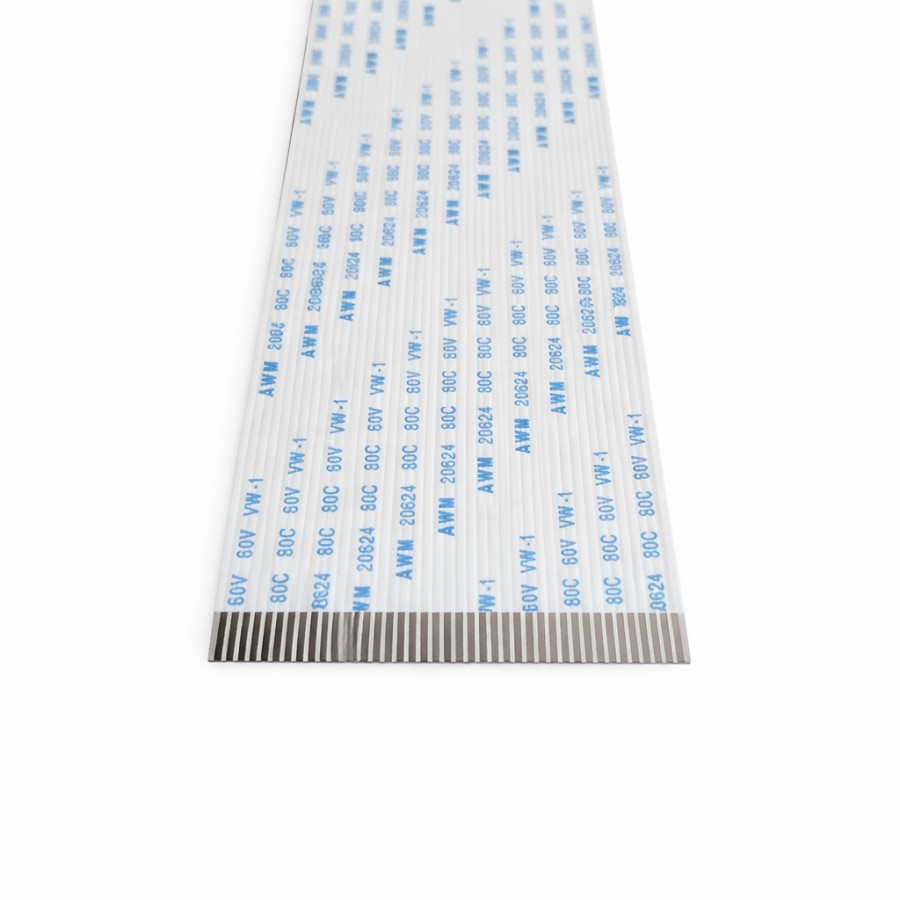
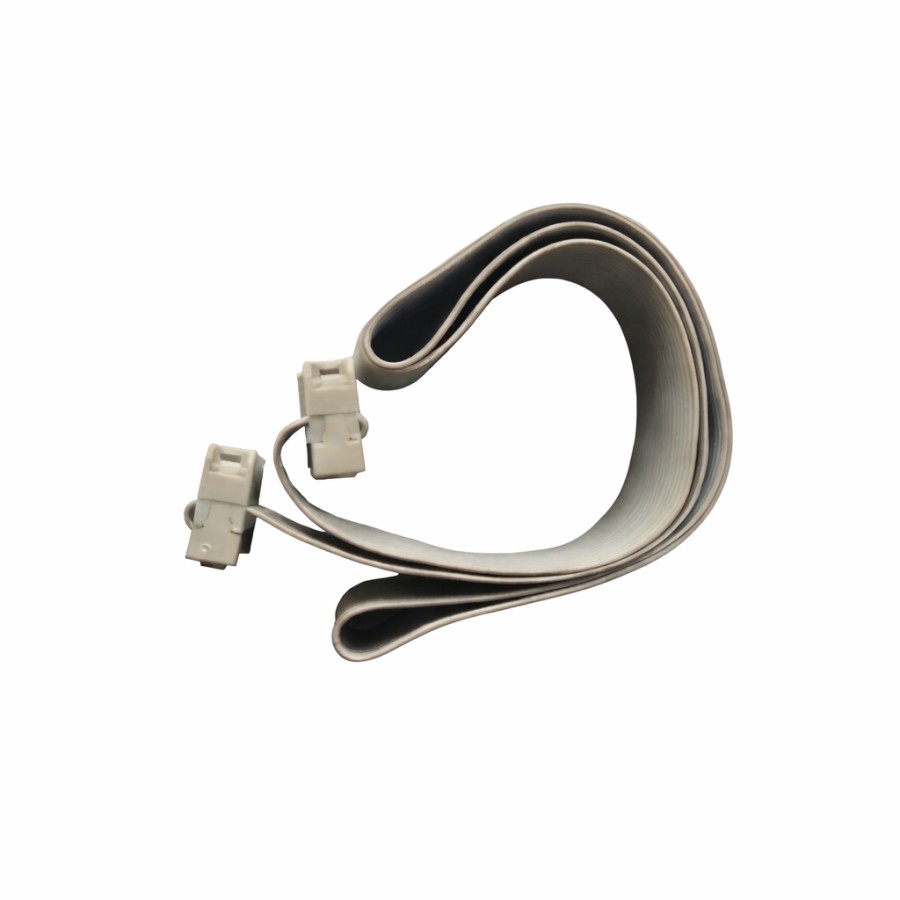
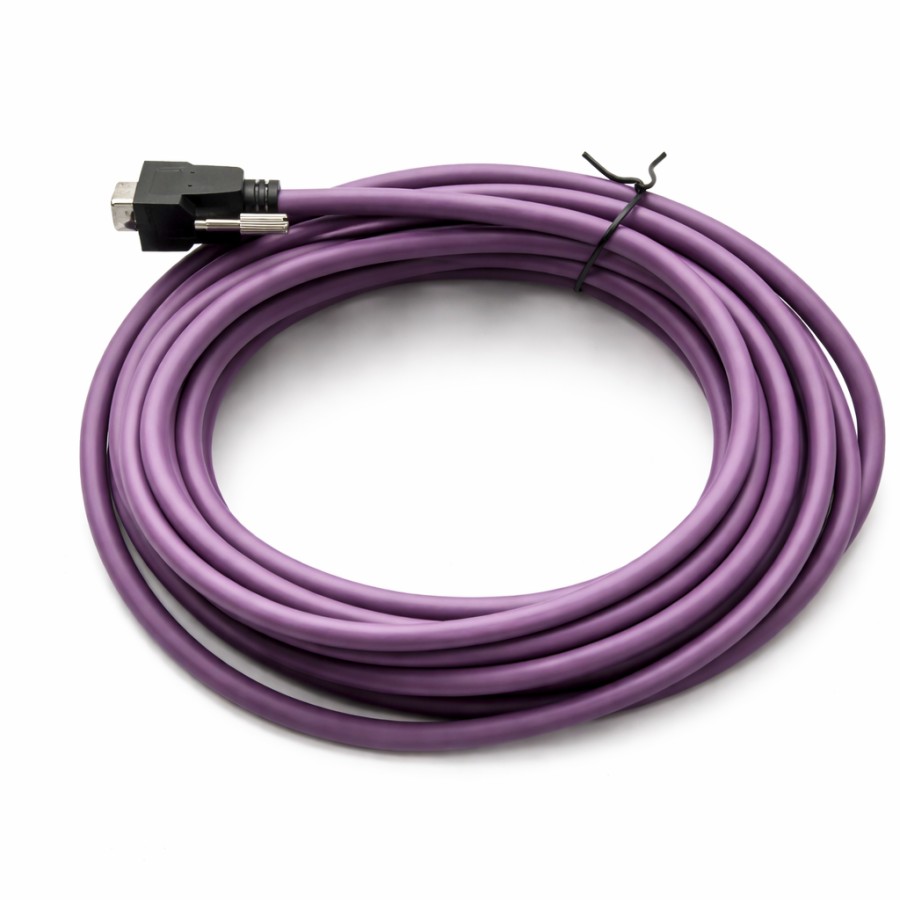
The 4-Meter LVDS Cable (Low-Voltage Differential Signaling Harness) is an industrial-grade, high-speed data lifeline engineered for grand-format and high-production digital inkjet printing machinery. Measuring a generous 4 meters (13.1 feet) in length, this specialized communication cable is built to handle massive data transfer rates over a long distance, transferring dense graphic files from the stationary main control PC or motherboard across the entire length of the printer gantry directly to the moving carriage assembly.
-new.jpg)
-new.jpg)